About Our Plantology
TEAMBLUEGREENDESERT YUMAEDITION CORPORATION studies plants as the core of yard living, treating every yard as an ecosystem where species, soil, water and microclimate interact. We combine observational plantology with standardized field datasheets and microscope analysis to record plant form, tissue health and below-ground processes. Our work is specific to Yuma-region conditions — arid climate, irrigation regimes, soil salinity and high daytime temperatures — so recommendations reflect local realities as well as general ecological principles.
Mission: Yard Science Rooted in Plants
Our mission is to document how plants drive yard health and resilience and to translate that science into practical planting systems. We aim to help yards thrive vertically and horizontally by promoting layered plant communities, improving soil-plant interactions, and providing actionable data to homeowners and landscape professionals. By pairing field observation with lab-grade microscope analysis, we deliver evidence-based guidance that improves water efficiency, plant longevity and ecosystem services in desert yards.
Our Methods: Field Datasheets and Microscope Analysis
We begin with repeatable field datasheets that capture growth stage, canopy structure, phenology, soil texture, moisture profiles and irrigation patterns. Plots and root zones are mapped horizontally to document gradients in soil chemistry and compaction, and vertically to record canopy, midlayer and groundcover interactions. When samples require deeper investigation, we perform microscope analysis of plant tissue and soil thin sections to identify root hair condition, fungal associations, nematode presence and microstructure of soil aggregates. All observations are geo-referenced, dated and integrated into growth charts and interaction matrices so patterns and interventions can be tracked over time.
Science-Backed Benefits of Layered Planting
Layered planting—intentional vertical stratification and horizontal diversity of rooting depths—delivers measurable benefits in desert yards. Our field data and microscopic evidence show improved infiltration, reduced surface evaporation, enhanced soil aggregation and higher microbial diversity where layers are present. Vertical layers provide temperature moderation and shade for understory species, while horizontal root diversity reduces competition and spreads water uptake across soil profiles. In Yuma conditions, these effects translate to lower irrigation demand, better salt distribution in the soil profile, and increased resilience to heat stress and episodic drought.
Putting Plantology Into Practice
We translate findings into site-specific plans: yard assessments that include datasheet reports, microscope imagery and soil interaction maps; planting designs with recommended vertical and horizontal species mixes; and operational guidance on irrigation timing, mulch, soil amendments and phased planting. Deliverables include annotated field datasheets, microscope micrographs with interpretation, seasonal growth charts and a prioritized action list for homeowners or landscape crews. We also offer monitoring packages and training so property owners can maintain layered systems that continue to improve soil health and plant performance over time.
Contact Us — TeamBlueGreenDesert YumaEdition Corporation
Get in touch with TeamBlueGreenDesert YumaEdition for consultations, lab services, or planting plans tailored to Yuma-area yards. Use the contact form to request a site evaluation, microscope analysis, or datasheet templates. When you contact us, include your yard size, planting goals, and preferred contact method so we can respond with clear next steps and scheduling information. What to include in the contact form - Full name and property address or service location in the Yuma area - Yard size in square feet or approximate acreage and the size of the plantable area versus paved or hardscape area - Planting goals such as low-water landscaping, shade canopy, pollinator habitat, edible gardening, erosion control, or curb appeal - Preferred contact method (phone, email, or text) and best days/times to reach you - If requesting lab work or microscope analysis, indicate the sample type (soil, root, leaf, or pest specimen), how many samples, and whether you will drop them off or need pickup during a site visit - Photos of the yard, problem areas, or plant symptoms and any prior soil test or irrigation information What we provide and how we respond - Site evaluation: We review your submission and provide a scoped plan with recommended next steps for on-site evaluation or remote consultation, an estimated cost, and available scheduling windows for Yuma-area clients. On-site visits generally include a walk-through, soil sampling, and a preliminary planting plan or recommendations. - Lab and microscope analysis: Our lab services include soil particle and texture review, nutrient and salinity screening, and microscopic inspection of root, leaf, and pest samples to identify pathogens or pests. After analysis we return a concise report and recommended treatments or amendments. - Datasheet templates: We supply editable datasheet templates (plant selection lists, irrigation schedules, and planting plans) and can pre-fill templates with recommendations based on your site data. Turnaround and scheduling expectations - We aim to respond within two business days with tailored next steps for Yuma-area clients. Response includes scheduling options for a site visit or instructions for sample submission and an estimate for service fees when applicable. Once a date is agreed, you will receive a confirmation with an estimated arrival window and preparatory instructions. Additional notes - Remote consultations by phone or video are available if an immediate on-site visit is not needed. Fees for consultations and laboratory analyses vary by scope; we will provide a written estimate before work begins. If you have urgent plant health concerns, indicate that in the message so we can prioritize your request. Ready to begin? Fill out the contact form with the details above or call our Yuma office to speak with a specialist who can guide you through the submission process and next steps.
Plant Gallery — TEAMBLUEGREENDESERT YUMAEDITION CORPORATION
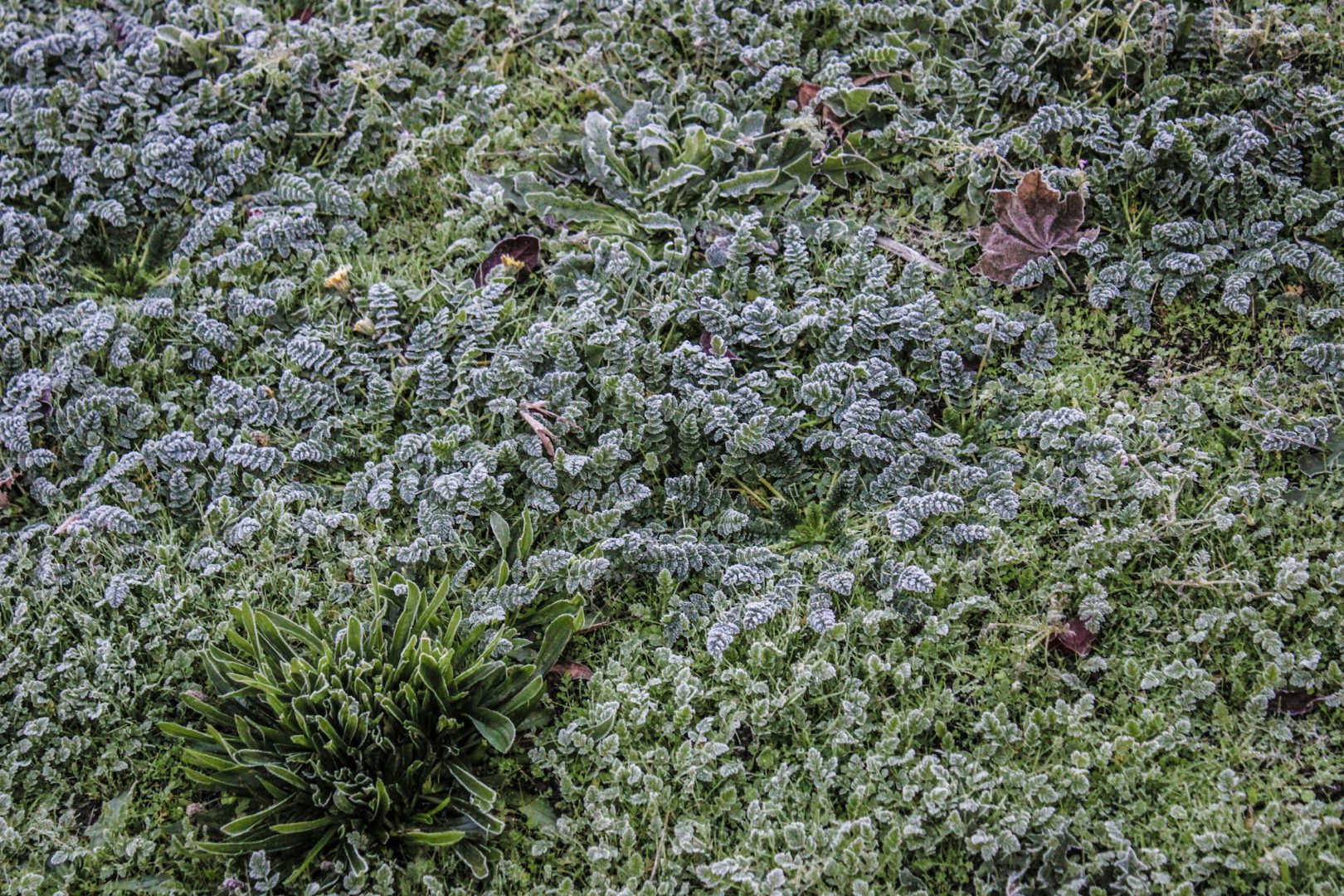
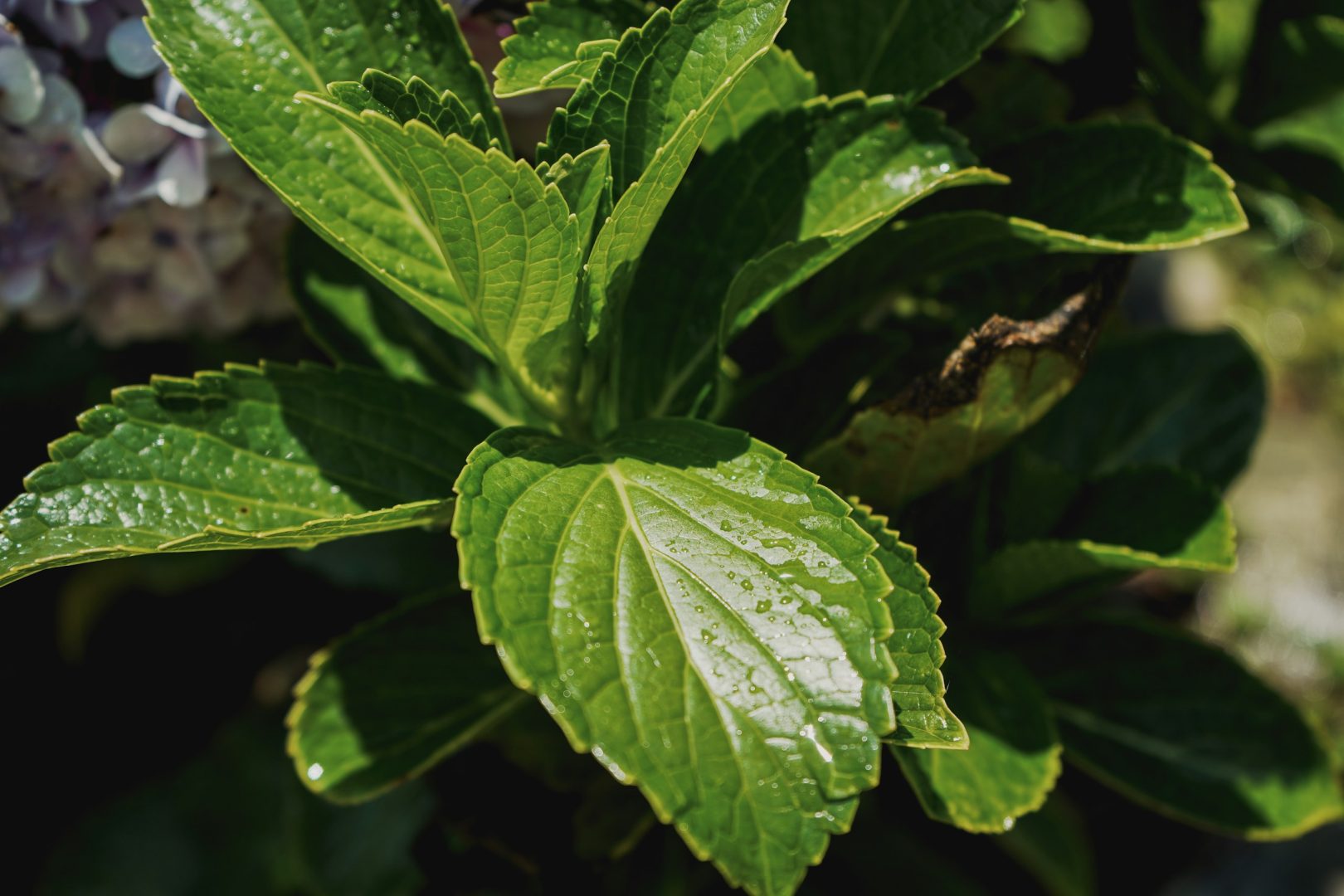
Explore a visual gallery curated by TEAMBLUEGREENDESERT YUMAEDITION CORPORATION that documents plant progress and analytical results across controlled yard plots and field sites. The collection includes sample yard photographs showing tiered layout plans and canopy progression, high-resolution microscopy close-ups that reveal tissue structure and pest or disease indicators, and datasheet snapshots that pair lab metrics with corresponding field images to illustrate plant health trends. Images are organized to show developmental stages from seedling establishment through vegetative growth to mature canopy, with side-by-side comparisons of lab analysis and in-field conditions for clear interpretation. Use the gallery to review real-world examples of layout strategies, diagnose visual symptoms with microscopy references, and cross-check datasheet values against photographed plant performance.

TEAMBLUEGREENDESERT YUMAEDITION CORPORATION — Image-and-Text Grid
Explore an image-and-text grid showing project case studies, tier configurations, and annotated datasheet excerpts created by TEAMBLUEGREENDESERT YUMAEDITION CORPORATION. Each tile pairs a high-resolution image with a concise result summary and practical replication notes. Grid keywords: tiers, datasheets, specimens. Use the tiles below to review protocol details, instrumentation lists, parameter settings, and specimen outcomes so field teams can reproduce trials in Yuma desert conditions.
Tier Configuration: Yuma Irrigation Trials
Summary: Implemented a three-tier root-zone system across experimental plots to compare shallow, mid, and deep irrigation strategies under Yuma saline groundwater. Observed consistent moisture gradients and measurable reduction in surface runoff when flow staging was applied. Replication notes: Lay out tiers at root-zone depths of 10 cm, 20 cm, and 30 cm across contiguous 3 meter beds. Use emitter spacing of 30 cm with pressure-compensating drip lines rated 1.6 L/h. Operate irrigation cycles twice daily during summer months with 20 minute durations, adjust for evapotranspiration using local weather data. Install EC probes at each tier and log hourly; calibrate sensors before deployment and record serial numbers and calibration certificates in the project datasheet.

Annotated Datasheet: Drip Emitter Performance
Summary: Annotated datasheet highlights emitter flow stability, clogging incidence, and recommended prefiltration for Yuma water chemistry. Key finding: sediment and manganese deposits required a 120-mesh prefilter to maintain emitter performance in field conditions. Replication notes: Include a copy of the emitter manufacturer datasheet with inline annotations showing observed flow deviations (recorded at deployment, 30 days, 90 days). Specify prefilter mesh, backflush interval (recommended every 14 days), and a simple field test: measure emitter output from five random emitters per plot over 60 seconds and compare to baseline flow values recorded on datasheet.
Specimen Case Study: Salt-Tolerant Forage
Summary: Trial used fourwing saltbush (Atriplex canescens) and a halophytic forage mix to assess survival and biomass under brackish irrigation. Results showed establishment success when seedlings were planted at 1.5 meter spacing with initial watering schedule tapered over 12 weeks. Replication notes: Plant density set at 444 plants per hectare equivalent (1.5 m spacing rows and in-row). Amend soils with 1 kg per square meter gypsum only where sodium exchange exceeds threshold per datasheet. Monitor leaf chloride and sodium on a 30-day schedule; tag specimens and log growth using the specimen ID template provided. Photodocument each specimen from fixed angles at 0, 30, and 90 days.

Replication Notes: Tiered Field Protocol
Summary: Consolidated protocol for repeating tiered plots and datasheet capture across Yuma sites. Protocol notes: Establish randomized block design with four replicates per treatment and plot dimensions of 10 meters by 3 meters. Record GPS coordinates, soil profile notes, and irrigation hardware serial numbers in the project log. Instrumentation list: EC probe, soil moisture sensors, pressure gauge, flow meter, and camera for specimen imaging. Data handling: capture time-stamped CSV exports weekly, attach annotated datasheet PDF, and maintain versioned field notebook entries. Quality control: perform pre-deployment calibration of all sensors, run a one-week pilot repetition on control plot, and follow the datasheet checklist before scaling to full deployment.

Multi-Tier Cultivation: Scalable Stacked Yards for Yuma
Design, Irrigation, and Crop Choices Optimized for Yuma’s Desert Conditions
TEAMBLUEGREENDESERT YUMAEDITION CORPORATION specializes in scalable multi-tier yard systems that stack planting up to ten tiers to maximize space and yield in the unique climate of Yuma. This section explains the structural approaches we use, irrigation considerations tailored for arid conditions, and plant selection strategies that deliver consistent, measurable performance—tracked in our standardized datasheets. Structural approaches and shop-floor specifics - Modular frames and materials: We specify corrosion-resistant frames using galvanized steel or powder-coated aluminum with stainless fasteners. Frames are designed for uniform load distribution, with cross-bracing and anchoring plates sized for local wind loads and seismic recommendations. Platform decking uses rot-resistant composite slats or purpose-made trays with integrated drainage channels. - Tier spacing and access: Typical spacing depends on crop type. For leafy greens and microgreens, platform gaps of 12 to 18 inches optimize light penetration and air flow. For larger, fruiting plants, tiers are spaced 24 to 36 inches or platform designs allow for removable tiers. We incorporate service aisles, sliding access platforms, and removable tray systems so maintenance and harvest are safe and efficient at all heights. - Load and drainage planning: Each tier is engineered for saturated substrate weight plus dynamic loads from workers and equipment. Tiered systems include slope-managed tray drains and a central drainage manifold that directs runoff to a filtration and recirculation system or permitted disposal line, depending on water source and treatment strategy. Irrigation and water-management considerations for Yuma - Water source and treatment: Given Yuma’s variable water quality, our standard designs accommodate municipal, well, or reclaimed sources. Filtration options include screen prefilters and membrane filtration for recirculation systems, followed by UV or chemical disinfection when needed to manage pathogens and biofilm. - Delivery systems and precision controls: We recommend pressure-compensating drip manifolds or micro-sprinkler headers with individual flow control for each tier to assure uniform distribution across stacked elevations. Fertigation injectors and proportional dosing ensure consistent EC and nutrient delivery across crops. - Recirculation and conservation: Closed-loop ebb-and-flow or targeted recirculating drip systems reduce total water consumption. Pumps are staged with flow meters, solenoid zone valves, and low-water cutoffs. Salinity control is built into routines with periodic partial drains and substrate flushing to prevent salt accumulation common in arid irrigation regimes. - Monitoring and automation: IoT moisture sensors, inline EC and pH probes, and pressure sensors at manifold points feed into a central controller. Automated schedules adapt run time by tier and crop, while alarms and remote dashboards allow rapid correction and record keeping. Plant selection and crop strategy for Yuma multi-tier yards - Best crop categories: High-density leafy greens, herbs, microgreens, and compact vegetable varieties perform best in stacked systems. Examples include butterhead lettuce, kale baby leaves, basil cultivars selected for compact growth, and dwarf tomato or pepper varieties for top-tier, higher-light positions. - Seasonal planning and heat management: Yuma’s high summer temperatures require seasonal crop shifts. Winter and cool months support peak yields for many greens, while summer production benefits from heat-tolerant cultivars, increased shading, evaporative cooling strategies, or moving heat-sensitive crops to lower tiers with greater evaporative cooling capacity. - Root medium and container choices: Lightweight, fast-draining media such as coco coir blends with perlite or expanded clay reduce weight and improve water distribution. For long-cycle crops, larger tray volumes and anchoring points prevent tipping and instability on higher tiers. Sustainability practices and energy choices - Renewable energy: Solar-powered pump systems with battery buffering reduce grid dependency and operational costs in high-sun Yuma conditions. We size PV arrays to match peak irrigation loads and incorporate real-time energy monitoring. - Water stewardship: Systems prioritize recirculation, selective flushing, and use of treated graywater or reclaimed sources where regulations permit. Substrate reuse protocols and on-site composting of plant residue lower waste and close nutrient loops. - Integrated pest and nutrient management: Preventive cultural practices, microbial inoculants, and targeted biological controls limit pesticide reliance. Fertigation strategies emphasize split dosing and EC management to minimize nutrient runoff and maximize uptake efficiency. Measurable performance and datasheet tracking - Standard metrics: TEAMBLUEGREENDESERT tracks per-tier plant count, grams produced per square foot per harvest, water use per kilogram of produce, pump runtime, energy consumption per harvest, EC and pH trends, and crop cycle length. These metrics are recorded in templated datasheets for each installation and updated with every harvest. - Datasheet structure and use: Our datasheets include tier ID, crop variety, planting density, substrate type, irrigation schedule, nutrient recipe, harvest dates, per-harvest yield, cumulative yields, and anomaly notes (pest incidence, local water quality events). These enable side-by-side comparison of tiers and season-to-season performance optimization. - Continuous improvement: Team technicians use datasheet outputs to refine spacing, irrigation intervals, and cultivar selection. Typical adjustments include emitter spacing, reservoir turnover targets, and microclimate changes per tier to boost uniformity and reduce resource input per unit of yield. Why TEAMBLUEGREENDESERT YUMAEDITION CORPORATION - Localized engineering: Our designs reflect Yuma-specific constraints—extreme solar load, low rainfall, and available water chemistry—so system components and operational protocols are tuned for long-term reliability. - Turnkey monitoring and reporting: We deliver multi-tier systems with integrated sensors and a datasheet reporting package so growers can see water-use efficiency, tier-by-tier yields, and energy metrics from day one. - Scalable deployments: From pilot racks to full-yard installations with up to ten stacked tiers, our solutions are modular and designed to scale while maintaining data continuity and sustainability targets. Contact us to review a site-specific plan, request sample datasheets, or schedule a demonstration of our tiered yard systems tailored for Yuma’s environment.

Small Lot, Big Harvest: TEAMBLUEGREENDESERT YUMAEDITION CORPORATION Delivers Measurable Results
As a Yuma gardener with a small lot that had produced inconsistent results, I hired TEAMBLUEGREENDESERT YUMAEDITION CORPORATION to rework the space into a productive, layered garden. The team began with microscope-driven diagnostics: they collected soil and leaf samples, examined them under a calibrated compound microscope to identify early fungal spores and microscopic pest indicators, and documented findings with photos. Those laboratory observations were translated into custom datasheets that tracked pH, electrical conductivity, nutrient readings, visible pest signs, and treatment history in a single, easy-to-read format. The datasheets included clear thresholds and weekly observation fields, so plant health trends became obvious instead of guesswork. Using those diagnostics, the team recommended targeted interventions—adjusted nutrient mixes, precise foliar treatments, and a layering plan that combined deeper-rooted perennials for stability with fast-producing annuals for regular harvests. Within one growing cycle I noticed more consistent fruit set and noticeably higher yields than prior seasons. Maintenance became straightforward: the datasheets provided a simple weekly checklist tailored to Yuma’s heat and water constraints (timed irrigation adjustments, mulching guidance, and shade scheduling), which cut down time spent troubleshooting. I found their lab methods reliable—documented procedures, photographic evidence in reports, and quick turnaround times allowed for timely corrections. Neighbors in Yuma commented on the change too; the approach produced positive local results that feel repeatable and practical. If you want clearer plant health tracking, higher yields, and low-stress maintenance on a small Yuma lot, TEAMBLUEGREENDESERT YUMAEDITION CORPORATION delivered exactly that.
Research-driven services to create abundant, resilient yards in Yuma
TEAMBLUEGREENDESERT YUMAEDITION CORPORATION combines laboratory research and on-the-ground practice to help property owners achieve abundant yard planting in the Yuma climate. This Services & Research section lists our core offerings—soil and tissue microscopy, personalized datasheet creation, tiered design planning, installation support, and ongoing monitoring—and explains what we deliver, typical timelines, and how we collaborate with property owners. Each service is rooted in field trials and local research so recommendations reflect heat tolerance, water management, and soil biology specific to Yuma soils and microclimates. Our approach is iterative: lab results inform designs, installations feed data back to research, and findings refine future prescriptions for more productive, lower-maintenance landscapes.
Soil and Tissue Microscopy — Precise Diagnosis
Deliverables include high-resolution micrographs, annotated laboratory reports identifying fungi, bacteria, nematodes, and particulate soil structure, and a diagnostic summary with treatment and amendment options targeted to root zone conditions. Typical timelines are three to seven business days for preliminary microscopy observations and a full report delivered within two weeks, dependent on sample volume. Collaboration steps with property owners start with a site intake: owners receive a sampling kit and instructions, schedule a short video or on-site sample collection appointment, and complete a digital intake form describing plant history and visible symptoms. Research integration means microscopy results are compared against our local databases and recent trial outcomes to recommend species adjustments, soil biology amendments, and planting densities that support abundant canopy and groundcover establishment in Yuuma conditions.
Personalized Datasheet Creation — Actionable Planting Guides
Deliverables are a customized datasheet for each property that consolidates microscopy and soil test findings, a nutrient and amendment prescription, irrigation frequency and runtime recommendations, a prioritized plant palette with cultivar notes, and a seasonal care calendar. Typical timelines are one to two weeks after receipt of laboratory results and property survey materials. Collaboration steps include an owner questionnaire about style and maintenance preferences, submission of property photos and any existing landscape plans, and a review meeting to confirm preferences and constraints before datasheet finalization. Our research feeds these datasheets by applying results from cultivar trials, drought and heat tolerance studies, and local phenology observations so recommended species and schedules support high survival rates and dense, productive plantings.
Tiered Design Planning and Installation Support
Deliverables consist of tiered design packages: concept sketches, schematic design with zoned plant palettes, construction-ready phased plans, irrigation layouts including emitter placement and runtime maps, a procurement list, and an installation checklist with quality checkpoints. Typical timelines are concept delivery within one week, schematic and budget options within two weeks, and comprehensive phased construction documents within three to four weeks depending on scope. Collaboration steps begin with an on-site walkthrough and topographic or digital property survey provided by the owner or obtained by our team, followed by iterative review sessions and signoffs for each phase. Installation support includes pre-installation contractor briefings, on-site commissioning for irrigation and drainage, installer training on root-zone preparation and placement techniques, and a post-install inspection. Research outcomes guide planting densities, soil amendment volumes, and irrigation setpoints used in the plans to maximize planting abundance while minimizing water stress.
Ongoing Monitoring and Adaptive Management
Deliverables for monitoring include scheduled site visits with photographic documentation, soil moisture and salinity logs, tissue reanalysis summaries, a quarterly performance report comparing key metrics, and an adaptive management plan with prioritized actions. Typical monitoring schedules are monthly visits for the first growing year with quarterly summary reports and sensor-enabled remote checks as needed thereafter. Collaboration steps involve installing remote sensors or granting dashboard access for owners, establishing communication preferences for alerts and recommendations, and periodic review meetings to adjust irrigation, fertilization, or plant selections based on observed performance. Research is an active feedback loop: monitoring data are entered into our local trials database to refine survival rate estimates, canopy cover projections, and amendment protocols, which in turn improves future datasheets and design standards for abundant yard planting across Yuma properties.
Video Demonstration
At TEAMBLUEGREENDESERT YUMAEDITION CORPORATION, we produced a short, focused video that walks viewers through three linked workflows: microscope analysis, step-by-step datasheet use, and a time-lapse of a tiered planting installation. The clip is designed to make our lab-to-field methods tangible and easy to follow for contractors, landscape professionals, and property owners working in the Yuma region. In the microscope analysis segment, you will see how we prepare a soil slurry and mount samples on a glass slide, apply a simple staining technique to highlight microbial filaments and root fragments, and adjust condenser and objective settings to document particle size and organic matter distribution. The footage demonstrates image capture, labeling conventions we use at our lab, and how to record observations that feed directly into our field datasheets. The datasheet walkthrough shows the exact template we use in the field and how to fill it out step by step. The video covers reading and recording pH and electrical conductivity, logging infiltration and bulk density measurements, noting planting depth and spacing, and entering GPS coordinates. We demonstrate both the printed datasheet and the tablet-based fillable form, explain our column headings, and show how to transfer entries into our project database for tracking performance over time in Yuma’s arid conditions. The time-lapse documents the installation of a three-tiered planting on a typical Yuma residential slope. Watch excavation and tier construction, placement of geotextile and soil amendments, installation of drip irrigation and pressure-compensating emitters, and the staged planting of drought-tolerant species. The before-and-after sequence highlights erosion control, improved water distribution, and the immediate aesthetic transformation that results from combining our lab findings with field execution. Watch the full clip for a concise, practical demonstration of each step and clear visual references you can replicate on your own site. For visual assets in the video, refer to the keywords below to find thumbnails and galleries. Microscope demo — microscope, sample, slide Datasheet walkthrough — datasheet, measurements, calibration Tiered planting time-lapse — planting, terracing, irrigation

Datasheets & Lab Resources — TEAMBLUEGREENDESERT YUMAEDITION
Downloadable guides, bespoke datasheets, and lab consultation for Yuma landscapes
TEAMBLUEGREENDESERT YUMAEDITION CORPORATION provides a focused library of technical resources tailored to desert-adapted landscaping and irrigation in Yuma. Available downloads include plant datasheets calibrated for regional species, microscope protocol guides for routine tissue and soil analysis, and a starter kit checklist designed specifically for tiered installation systems in residential and commercial yards. Standard datasheets are ready-to-use PDFs that summarize species-specific parameters such as root depth, recommended emitter spacing, seasonal irrigation windows for Yuma heat cycles, salinity tolerance ranges, and suggested mulch and soil amendment rates. Microscope guides include step-by-step sample collection, staining recommendations, magnification and lighting settings, and recommended imaging file formats for remote consultation. The starter kit checklist covers components and placement guidance for multiple-tier planter arrangements, with parts lists formatted for quick ordering.
Requesting a bespoke, calibrated datasheet is a straightforward process designed to capture the site details our lab needs to produce actionable recommendations. Begin by submitting the request form on our website with common and scientific plant names, a recent soil test report (pH and electrical conductivity preferred), and a simple scaled sketch or photograph of the yard indicating slope, tier dimensions, and positions of existing hardscape or utilities. For remote requests, upload close-up images of root crowns, canopy, and a cross-section photo of the top two inches of soil. Choose either remote lab consultation, where you receive annotated images and a digital report, or in-person consultation at our Yuma field office or on-site for hands-on assessment. Typical turnaround time for standard downloadable datasheets is three to five business days; bespoke calibrated datasheets and reports from microscope analysis generally require seven to ten business days depending on sample complexity. If you opt for consultation, our lab will confirm availability and any sample shipment or collection instructions after initial intake.
Starter kit checklist and practical lab protocols are organized to make installation and diagnostics repeatable across projects. The starter kit checklist recommends emitter types and flow rates matched to plant water use category, filtration and pressure regulation components, tubing sizes for tier risers, anchor stakes, recommended mulch depth, and measurement tools such as tape, soil probe, pH strips, and an electrical conductivity meter. Microscope protocol excerpts include tissue fixation and stain choices, section thickness, preferred objective lenses, and image naming conventions so remote reviewers can provide consistent feedback. To begin, use the request form to upload your site files, select a service level (standard download, bespoke datasheet, remote lab consult, or in-person consult), and indicate any deadlines. Our team will follow up with a quote and next steps. For immediate assistance, contact the Yuma office via the contact page to arrange sample drop-off or to schedule a consultation.
Impact & Outcomes
Measured environmental and community benefits for Yuma landscapes
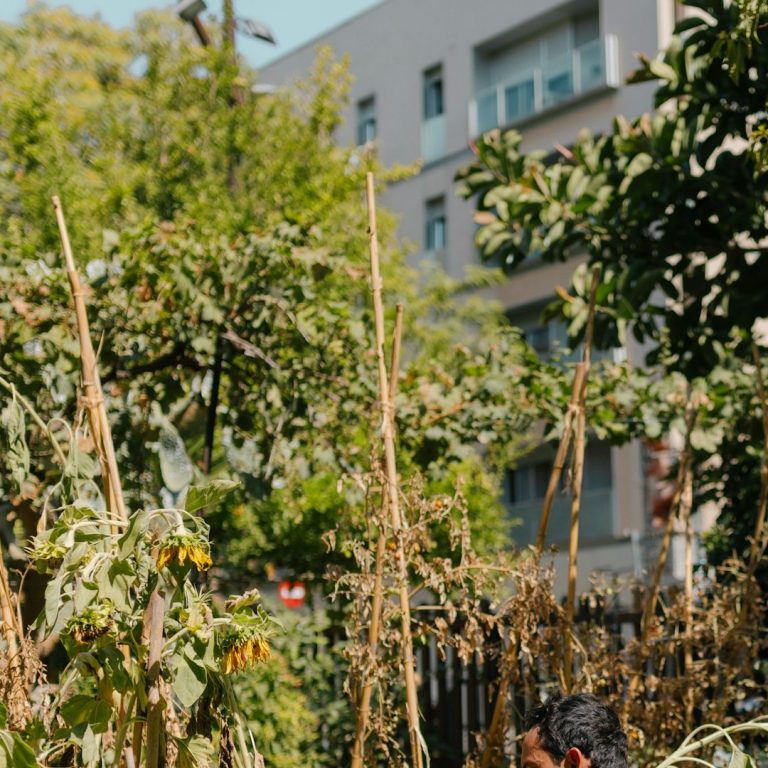
TeamBlueGreenDesert YumaEdition Corporation documents measurable impacts across Yuma residential and urban landscape projects by applying repeatable, science-informed methods. Our focus is increasing yard productivity, conserving scarce water resources, and establishing resilient plant communities that withstand desert conditions. The following summarizes the environmental benefits, community value, and measurable outcomes we consistently observe in local projects. Environmental benefits - Reduced outdoor water use: Field-monitored demonstration yards converted to drip irrigation, soil moisture–based scheduling, and drought-adapted plant palettes typically show outdoor irrigation reductions in the range of 40 to 60 percent in the first year. For an average Yuma suburban lot, that reduction commonly equals several thousand gallons saved per season. - Improved soil health and infiltration: Targeted soil amendments, mulching, and microcatchment grading increase infiltration and reduce runoff, with measured increases in soil water retention and a decline in surface erosion on treated sites. - Stronger plant communities: Planting designs that prioritize locally adapted desert species, mixed perennials, and layered canopy structure produce higher first‑year survival rates and lower replacement needs compared with conventional turf-dominant yards. Community value - Homeowner cost savings: Lower irrigation demand and reduced maintenance lead to smaller monthly water bills and fewer landscape service hours. Many homeowners report both visible savings and reduced seasonal maintenance time after adopting our recommendations. - Demonstration and education: TEAMBLUEGREENDESERT YumaEdition runs demonstration yards and neighborhood workshops that translate technical methods into practical steps for homeowners, HOAs, and property managers. Those outreach efforts accelerate adoption across blocks and subdivisions, multiplying environmental benefits beyond single projects. - Local resilience: By increasing plant survival and reducing irrigation dependence, our projects contribute to neighborhood shade, cooler outdoor microclimates, and habitat for pollinators and beneficial insects adapted to the Yuma region. Measurable outcomes and documentation - Monitoring approach: We pair baseline and post-installation measurements—metered irrigation records, soil moisture probes, plant survival checks, and maintenance logs—to quantify performance for each project. This documented approach allows comparisons across yards and seasons. - Typical performance results: In monitored installations we routinely document irrigation volume reductions of 40–60 percent, first-year plant survival often above 80 percent for selected palettes, and notable declines in reported maintenance time. These results are reproducible when our documented methods are followed: soil assessment, correct plant selection and placement, efficient irrigation retrofits, and mulching/organic matter management. - Scalable practices: Methods proven on demonstration sites are packaged into project templates and homeowner guides so that results can be replicated across Yuma neighborhoods, supporting broad-scale water savings and more resilient urban plant communities. How outcomes are used - Project design and improvement: Measured outcomes feed back into adaptive design—refining irrigation schedules, plant lists, and soil management techniques specific to Yuma microclimates. - Stakeholder reporting: We share documented results with homeowners, HOAs, municipal partners, and grant funders to demonstrate local environmental returns and justify further investment in sustainable urban landscaping. TEAMBLUEGREENDESERT YumaEdition Corporation focuses on practical, documented interventions that produce repeatable water savings, healthier soils, and resilient plant communities in Yuma yards and urban landscapes. Our impact is best understood through monitored projects and community adoption: methods that are proven on one lot can be scaled across neighborhoods to deliver measurable environmental and social benefits.